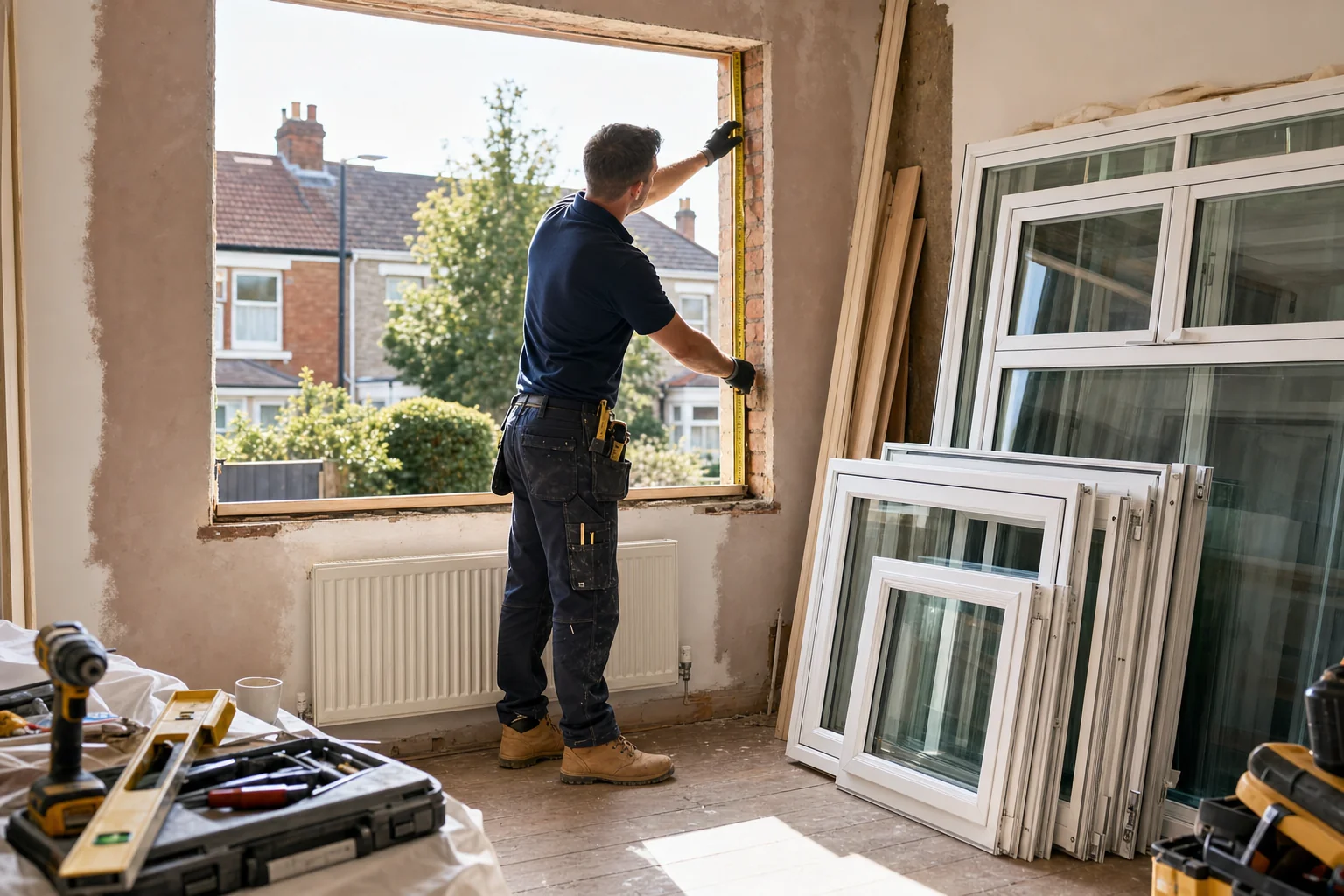
On most window installation jobs, profit isn't lost in one big mistake. It leaks away in small ones: a re-measure here, a wasted trip there, a sundry nobody added to the quote. Add them up across a year and they're the difference between a comfortable margin and working flat out for very little.
The good news is that saving money rarely means cutting corners or buying cheaper glass. It means tightening the things you already do. Here are the changes that make the biggest difference.
Measure once, and measure right
The most expensive mistake in window fitting is a wrong measurement. A frame ordered a few millimetres off isn't a small error, it's a remake, a wasted delivery, a second visit, and an awkward call to the customer. You pay for that unit twice and earn nothing extra.
Standardise how every survey is captured so nothing gets skipped: opening sizes, cill type, glass spec, trickle vents, access notes. Digital survey forms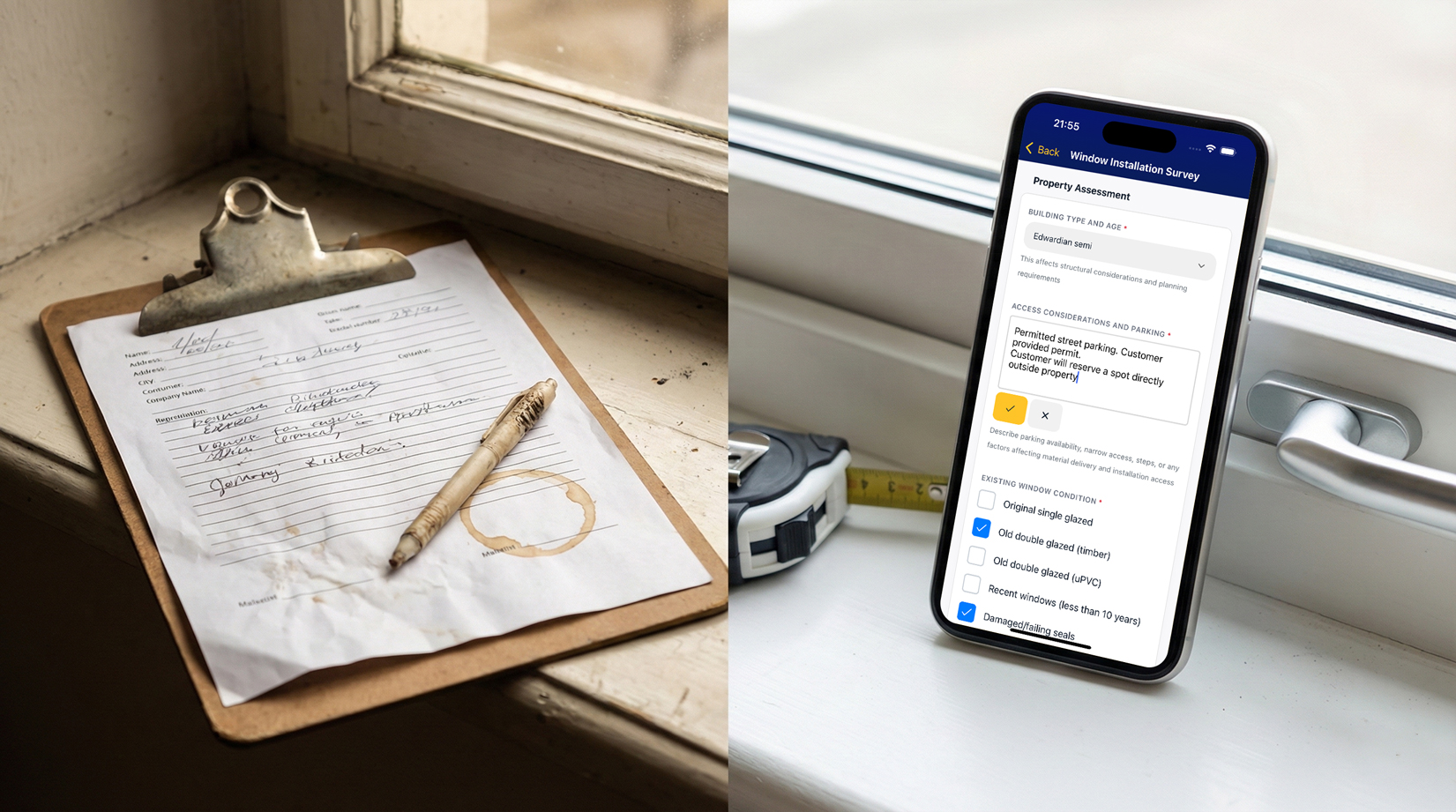 Digital survey forms for window fitters: why paper is costing youDigital survey forms on site replace lost paperwork, illegible notes and disconnected photos with data the office can quote from immediately. help here because they prompt for every field instead of relying on memory and a scribbled pad. Getting the job costed accurately
 Calculating Job Costs: Tools and Tips for Accurate QuotesJobs that look fine on the quote still leak margin when you skip consumables, overhead and contingency, and tight costing with real labour and supplier numbers is how you stop donating profit. from the start protects the margin before the van even leaves.
Buy smarter, not just cheaper
Material costs are where a lot of money quietly goes. The aim isn't to find the cheapest supplier, it's to stop paying for waste and rush.
A few habits that add up:
- Confirm the full materials list before ordering, so you're not paying for an emergency courier when a trickle vent is missing on fitting day.
- Order per job, not per panic. Last-minute orders cost more and arrive less predictably.
- Build a relationship with one or two suppliers. Consistent volume usually earns better pricing and priority when lead times tighten.
- Track what you actually use versus what you quoted, so your pricing reflects reality on the next job.
Stop paying for wasted travel
Fuel and time on the road are pure cost. A fitter sat in traffic across the county, or doubling back for a forgotten part, is being paid to earn you nothing.
Batch jobs by area where you can, so a crew works a cluster of postcodes rather than criss-crossing the region. Make sure materials are confirmed on site before the van rolls, so there are no return trips. And keep the diary accurate so you never send two crews to the wrong addresses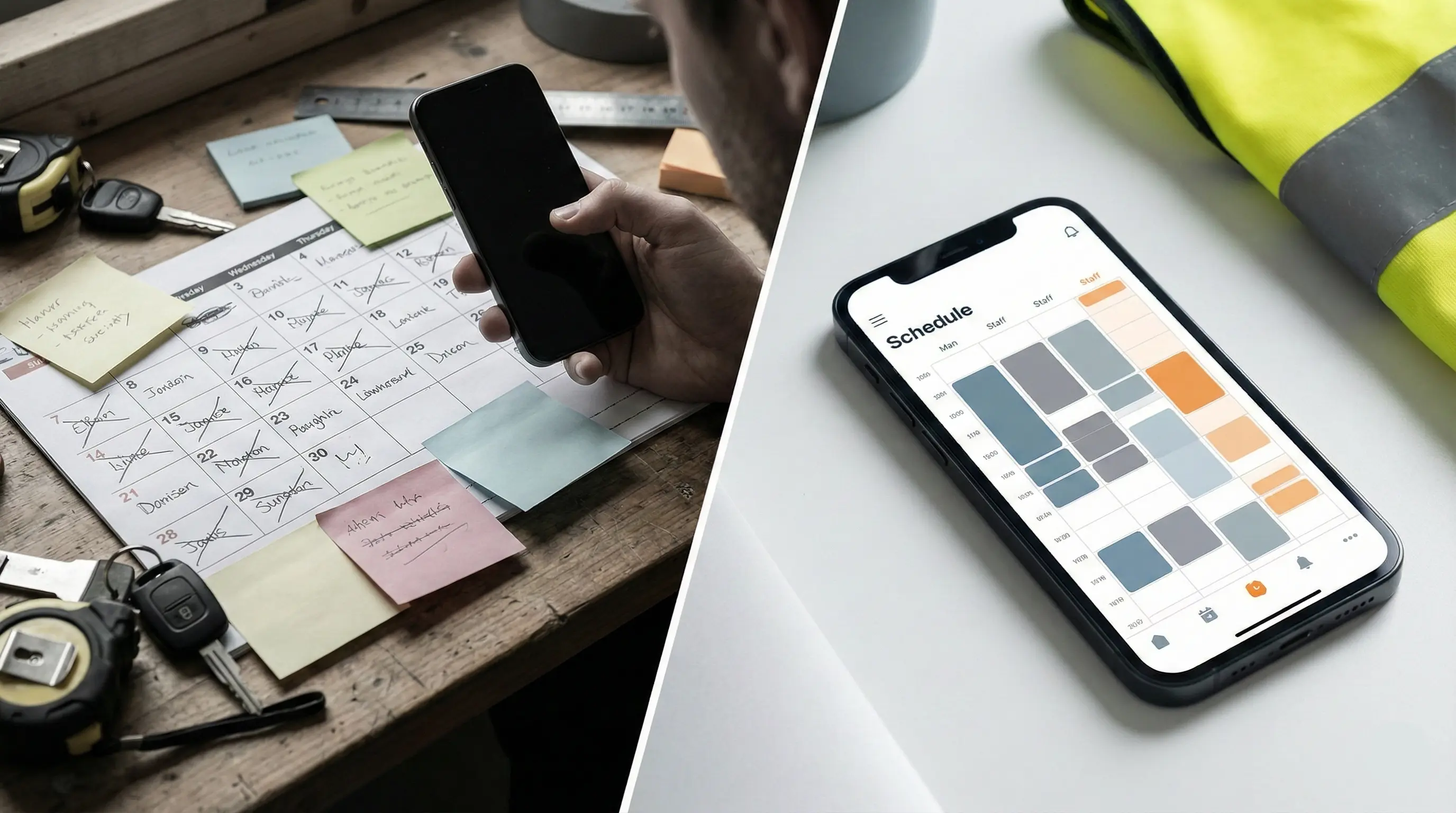 How to stop double-booking your fitting team (without a wall calendar)Double-bookings are almost never carelessness; they're what happens when your diary lives in three places and nobody sees the full picture at the moment they say yes., which wastes a whole visit and the goodwill with it.
Kill the small mistakes that cost the most
Most lost money on installs comes from process gaps, not bad fitting. A spec that didn't reach the fitter. A snag found after sign-off. A job that ran a day over because nobody flagged the awkward access.
When every job carries its full detail to site (survey notes, photos, the agreed spec) the fitter turns up prepared and the callbacks drop. Keeping it all on one job record you can track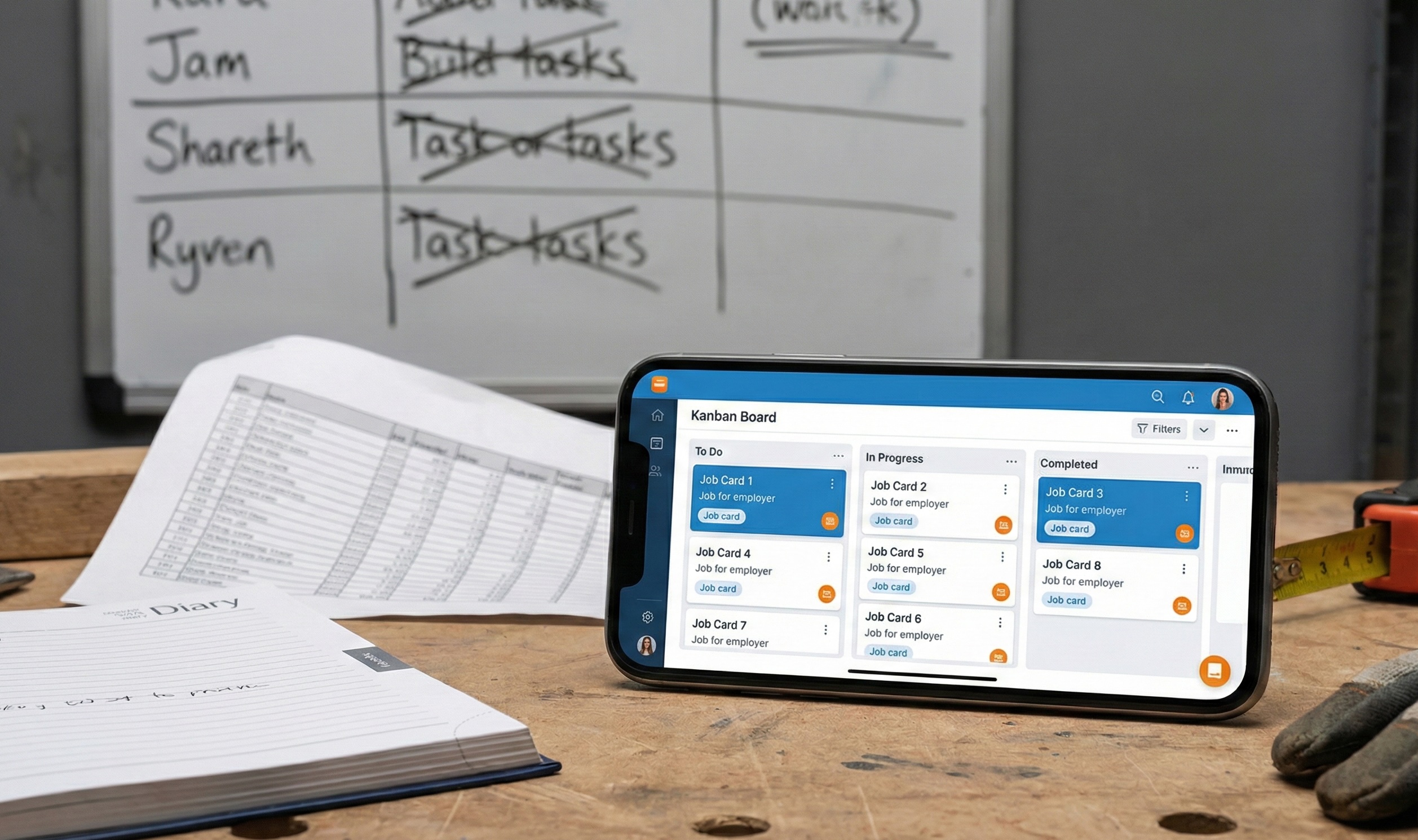 How to track window fitting jobs properlyTracking jobs across WhatsApp, memory and stale spreadsheets stops working around ten live jobs, and one shared record per job with status, photos and schedule is the fix. is how you spot problems early instead of paying to fix them later. It's the same discipline behind understanding why fitting firms lose money on jobs
 Why Window Fitting Companies Lose Money On JobsJobs rarely lose money in dramatic ways, they bleed it in measurable places you can't see unless you compare what you quoted with what the job actually cost, which is the one habit most fitters skip. in the first place.
Cut the admin that eats your evenings
Time is money, and a surprising amount of it goes on paperwork after the tools are down. Retyping the same details into quotes, orders and invoices isn't just dull, it's hours you could bill or rest.
Going paperless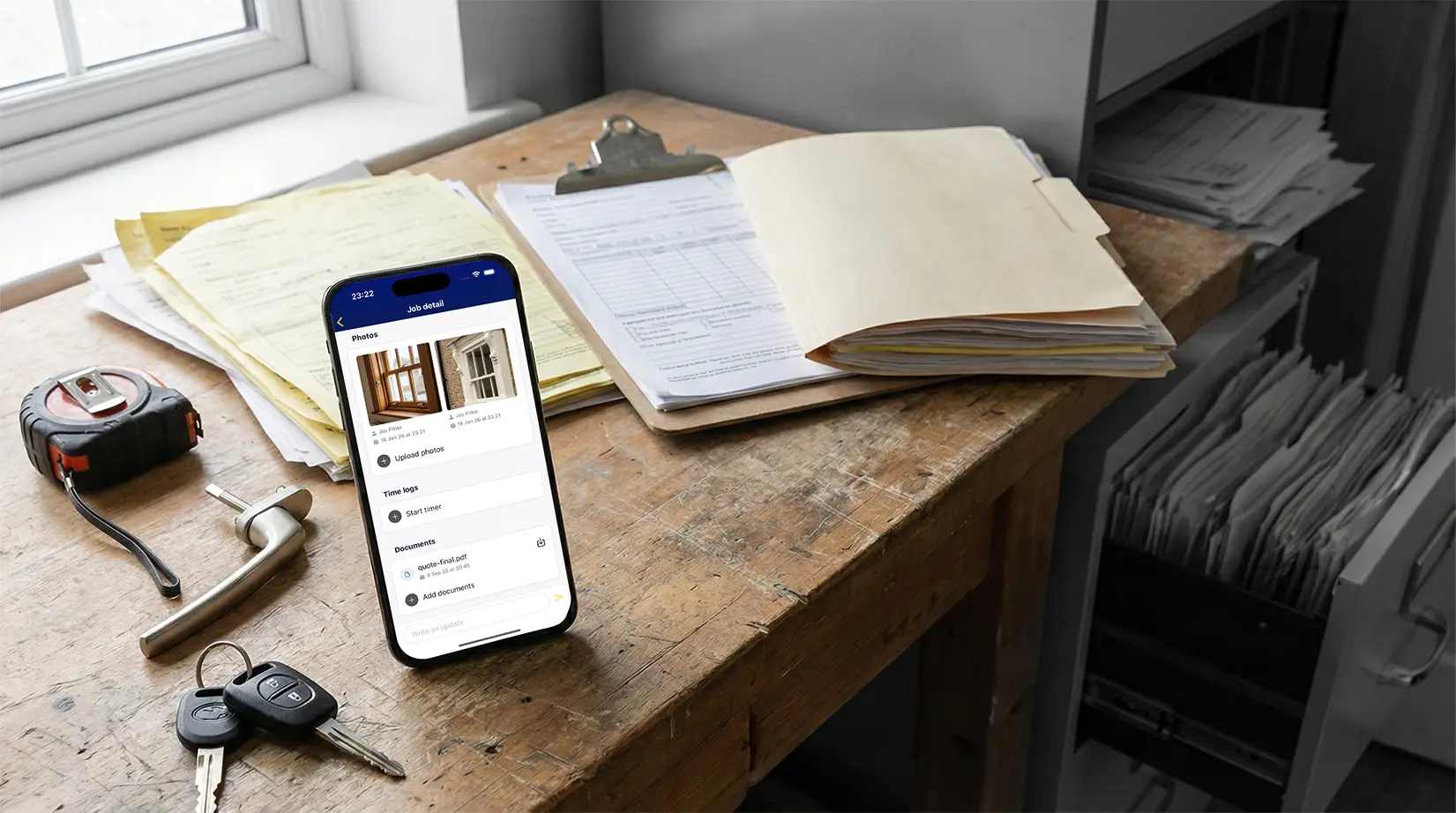 How to go paperless as a window fitterGoing paperless means replacing lost forms, illegible notes and disconnected photos with digital surveys, job records and invoices that live on each job. and keeping customer, quote and job details in one place removes most of that double-keying. You quote faster, invoice sooner, and stop losing the odd job to slow follow-up. Saving admin time is one of the simplest ways to protect your margins
 Improve Your Margins: Practical Tips for a More Profitable Window Fitting BusinessImprove your window fitting margins by buying smarter, scheduling tighter, standardising how jobs are run, and pricing from real costs instead of guesswork. without touching your prices.
The bottom line
Saving money on window installation jobs is mostly about consistency: measure right the first time, buy with a plan, keep crews moving efficiently, and stop information getting lost between the survey and the sign-off.
FitterPal ties those together by keeping every survey, quote, photo, schedule and invoice on one job, so fewer mistakes slip through and less time goes on admin. Book a demo today and we'll show you where the savings hide on your jobs.