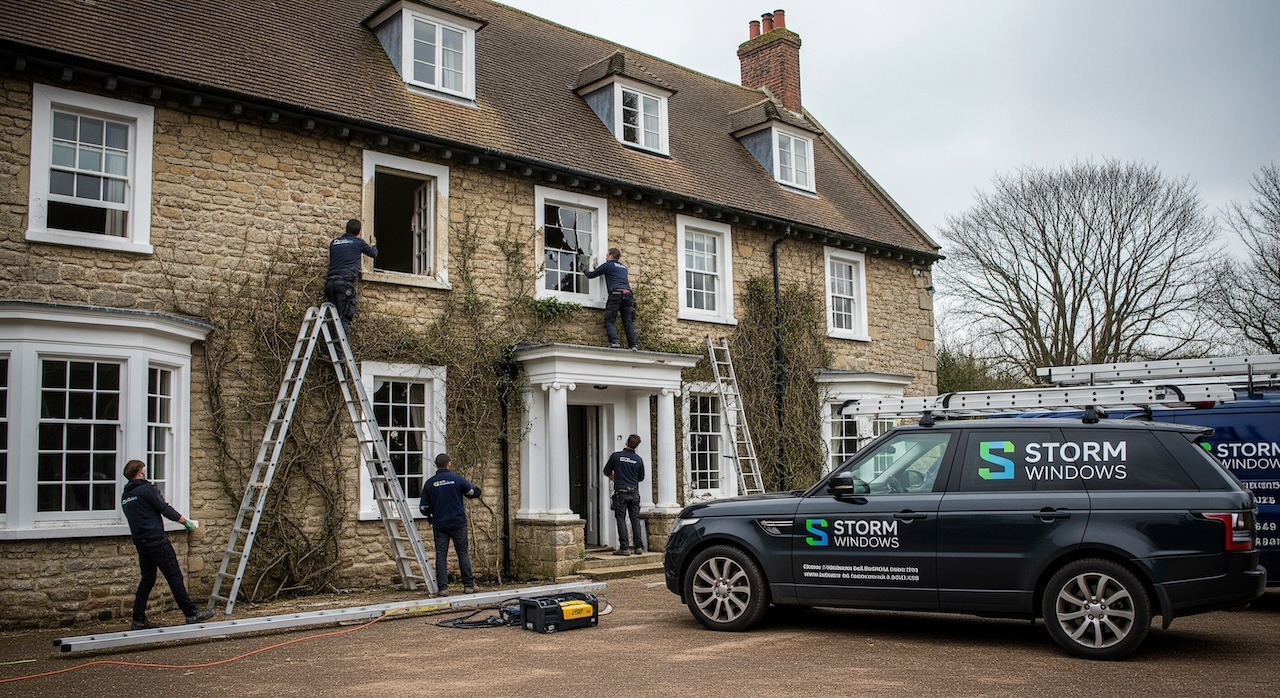
Every fitter knows the drill: keep glass in the van, give an honest ETA, board it up safely. None of that is the bit that makes or loses money on emergency work. The money is in what you do with the callout after the property is secure, and most firms leave it on the table.
Here's the reframe worth internalising: a board-up is rarely the job. It's the audition for the permanent replacement, and often the start of a relationship with an insurer who sends repeat work. Storm damage to UK homes hit £244 million in 2025, up 32% in a single year, with the average storm payout now £2,450 (Association of British Insurers). That demand is rising, and it lands in concentrated bursts. The fitters who win it are the ones set up to convert it, not just respond to it.
Triage to protect the work you've already booked
The instinct is to drop everything for a ringing phone. The discipline is deciding what's actually an emergency. A smashed shopfront after closing or an insecure ground-floor window is genuinely urgent. A cracked but intact pane on a first floor can be made safe with advice and booked for the morning, not run to at 11pm at the cost of tomorrow's fitting slot.
Have two or three questions ready that sort real emergencies from anxious ones: is the property insecure, is anyone at risk, is it weatherproof until tomorrow? Triage isn't about turning work away, it's about not letting an unplanned callout blow up a day of scheduled jobs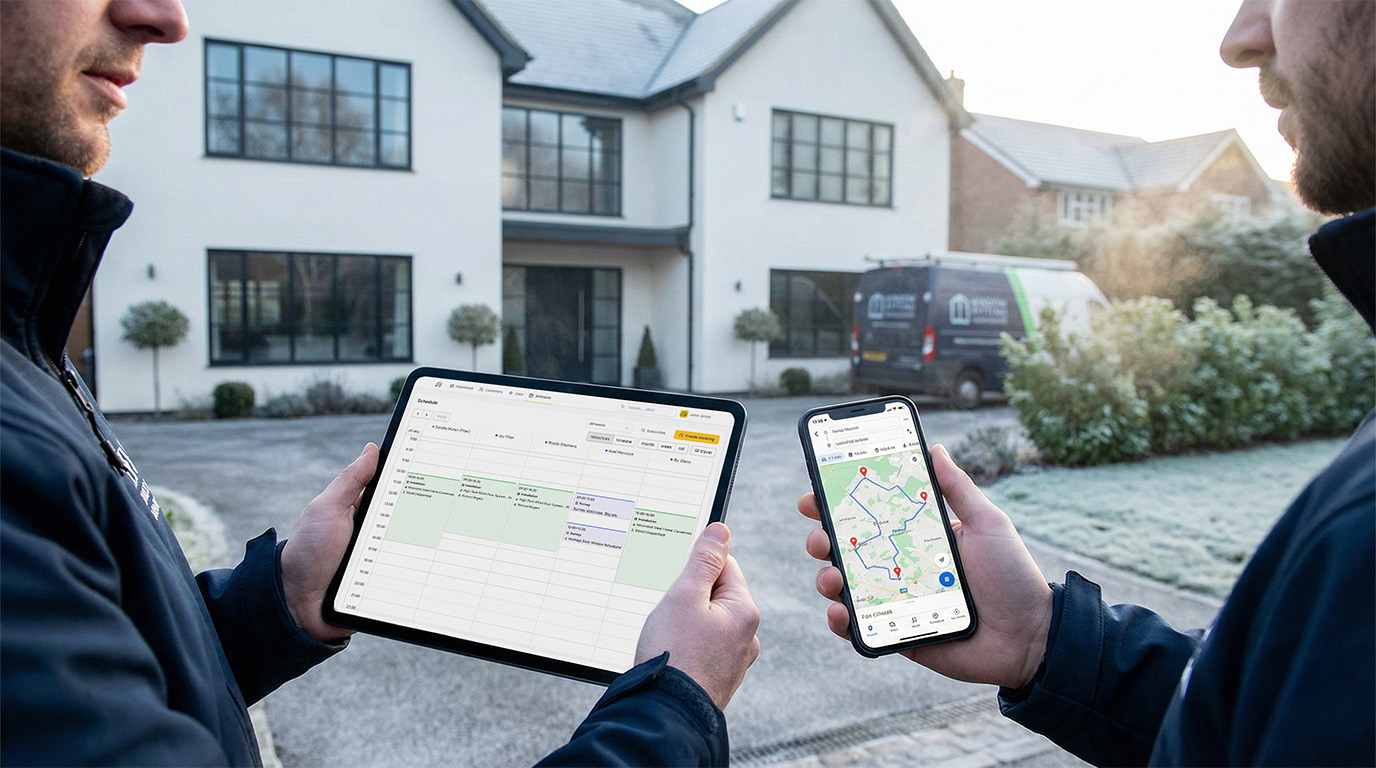 Scheduling software for installersInstallers need scheduling that shows who's where, notifies customers and staff automatically, and gives fitters their day on their phone without group-chat chaos. you're already being paid for. The reactive job has to earn its place against the booked one.
Price out-of-hours work like the service it is
A 2am board-up in the rain is a premium service and should be priced as one. Across the UK, emergency board-ups typically run from around £80 for a small domestic window to £350 plus for a full property, before any glass. Charging a proper out-of-hours rate isn't gouging, it's reflecting the antisocial hour, the van run and the fact that you're the one who showed up.
Where firms lose money is treating the board-up as the transaction. The board is the cheap, temporary bit. The margin is in the permanent unit you measure for while you're standing there, and that you should quote before you leave the drive. Knowing your true callout cost, van, hour, materials, opportunity cost, is the difference between an emergency rate that's profitable and one that just feels expensive. If you've never broken it down, start with calculating your real job costs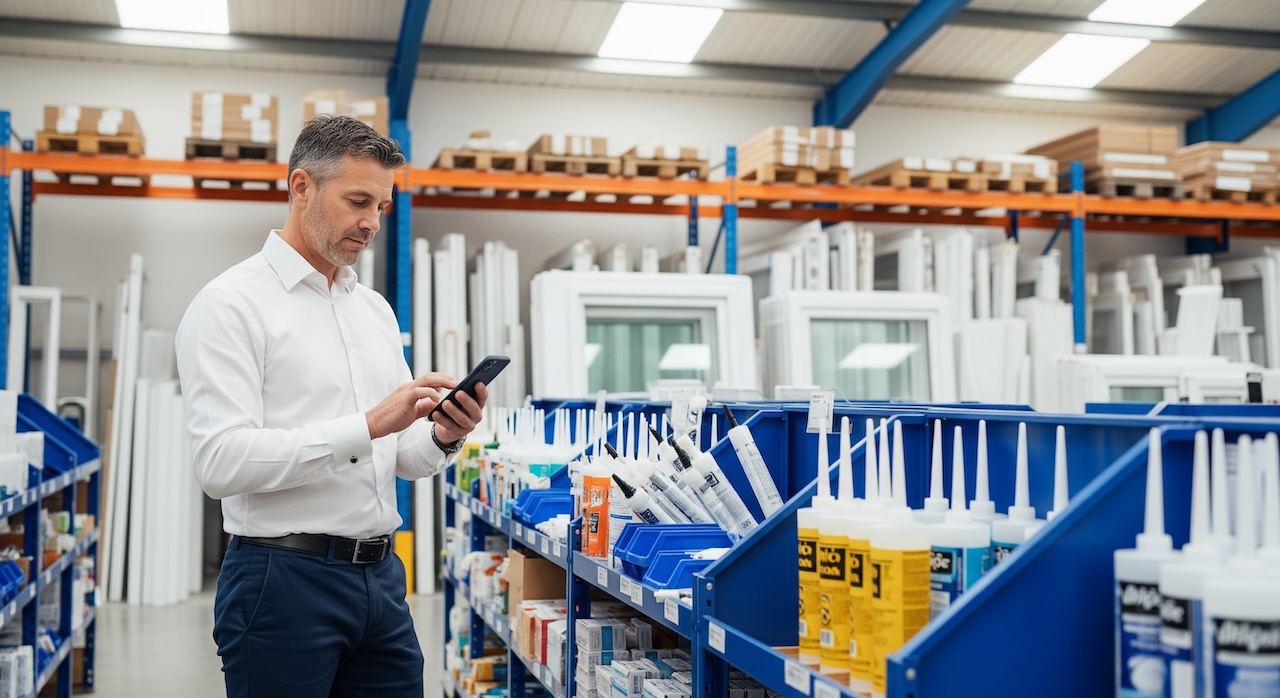 Calculating Job Costs: Tools and Tips for Accurate QuotesJobs that look fine on the quote still leak margin when you skip consumables, overhead and contingency, and tight costing with real labour and supplier numbers is how you stop donating profit..
For insurance work, the paperwork is the product
This is the part experienced fitters underrate. On an insurance job, the glass is only half of what you're delivering. The other half is the evidence pack: timestamped before-and-after photos, an itemised invoice, and a short written report saying what the damage was, what caused it, and what you did. That's what gets the claim approved and gets you paid without a fortnight of chasing.
Get this right and two doors open. First, you can offer to bill the insurer directly, which removes the customer's biggest worry (finding cash in a crisis) and makes you the obvious choice. Second, insurers and loss adjusters keep lists of trades they trust to document work properly. Getting onto those lists turns a one-off storm night into a steady feed of referred jobs. Sloppy photos and notes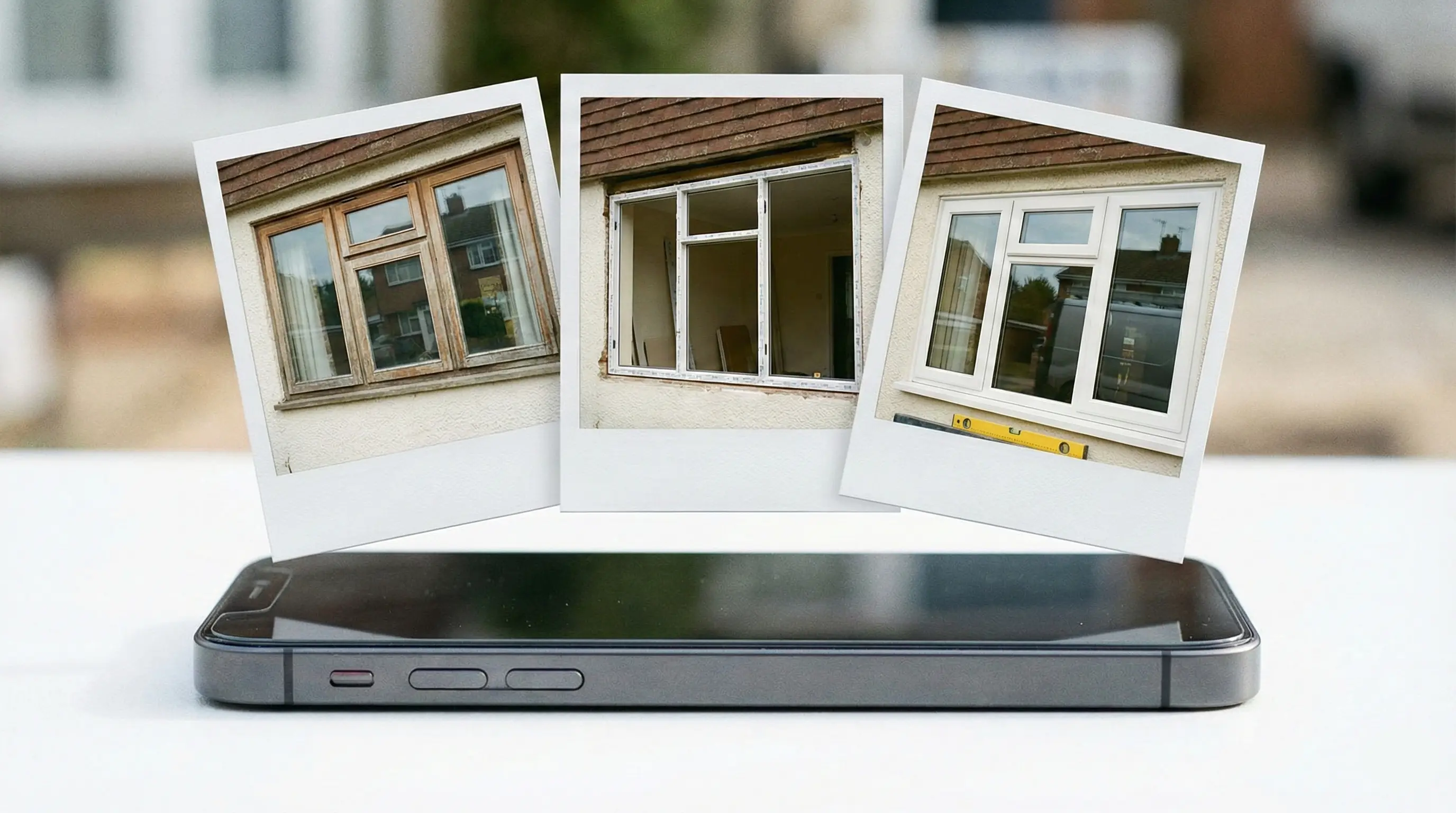 Before, during, after: why organised job photos win you more workOrganised job photos attached to each job by stage are your best defence in a dispute, your fastest sales proof on site, and free marketing you already paid for. don't just risk one claim, they keep you off the list entirely.
Make the board-up convert to the real job
You are never better placed to win the permanent replacement than in the ten minutes after you've made someone's home safe. They're grateful, they trust you, and no competitor is in the room. Squander that by saying "I'll send a quote next week" and you've handed the real money to whoever follows up faster.
Measure for the permanent unit on the emergency visit. Send the quote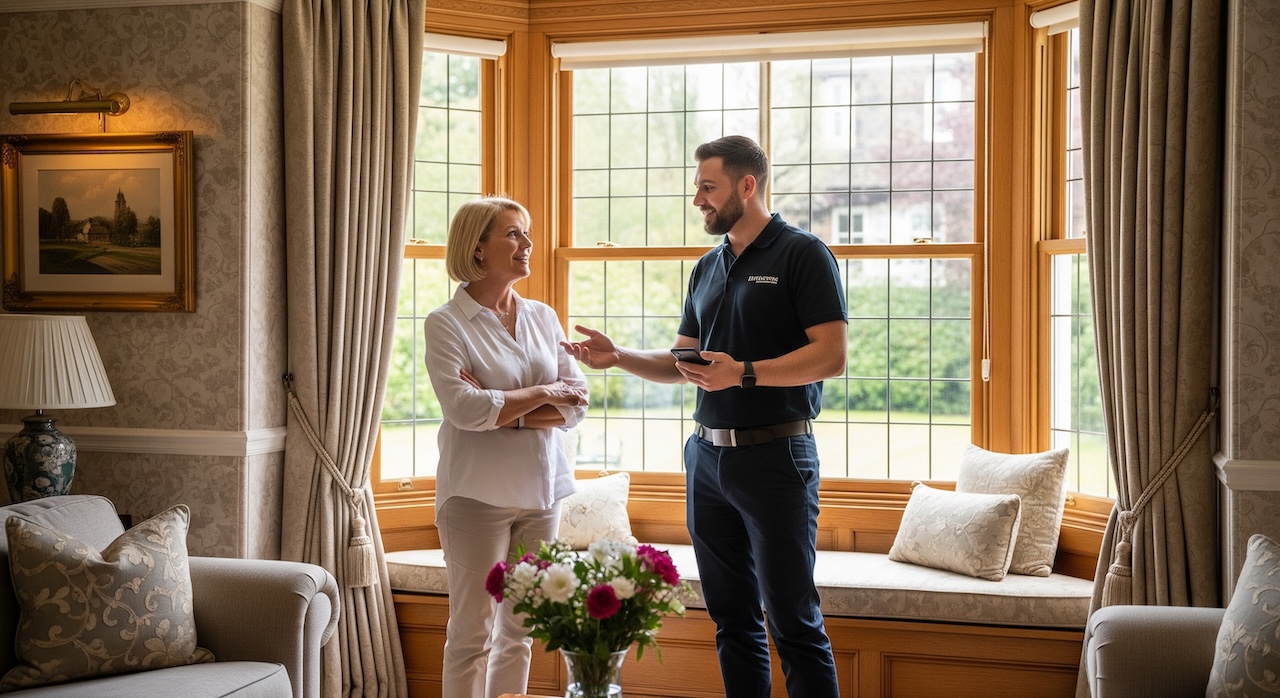 Quoting and Estimating Software: Boosting Accuracy for Window InstallersRe-keying sizes across Word, accounts and supplier portals is where margins die, and quoting software that captures once and generates quote, order and invoice from the same record fixes that. before you've driven home, while the goodwill is fresh, with the insurance reference already on it. A board-up that converts to a full replacement is worth many times the callout fee, and the only thing standing between the two is a follow-up most firms are too disorganised to do on the night.
Be ready before the storm, not during it
Emergency demand isn't evenly spread. Storm claims cluster hard into winter, and a single named storm can generate a week's worth of callouts in a night. Treating that as a surprise every year is a choice.
Going into storm season, top up the boarding stock and common glass sizes, confirm who's on call, and have your triage questions, pricing and insurer details ready to go rather than improvised at midnight. The firms that profit from a bad weather week are the ones who decided how they'd handle it back in the calm.
The bottom line
Responding fast and securing the property is table stakes. The value is in everything around it: triage that protects your booked work, honest premium pricing, documentation good enough for an insurer, and a same-night follow-up that turns the board-up into a full replacement. Keep the call, the photos, the measurements and the quote on one job record and that conversion happens by default. FitterPal keeps it all in one place, so the 2am callout doesn't just get handled, it gets turned into paid, repeatable work.