You measured up, spec'd the frames, sat at the kitchen table explaining A-rated versus triple, and sent a clean quote. Then silence. A week later they've signed with someone else, or they're still interested but assume you've moved on.
That isn't a discipline problem. It's what happens when a fitting firm runs on memory: three installs back-to-back, the quote list lives in email and WhatsApp threads The hidden cost of running your fitting business from WhatsAppWhatsApp feels free until your job photos, customer history and fitter knowledge live on personal phones instead of in the business, and then every dispute, handover and evening ping has a hidden cost., and nobody owns the chase. The survey cost is already sunk. The margin is lost in the gap between "quote sent" and "job booked".
Cold quotes are usually inertia, not price
When a homeowner goes quiet, the default assumption is they found someone cheaper. Sometimes that's true. More often they got busy, the PDF sat in their inbox, and by the time they remembered the windows, they searched again and called whoever felt most present.
Analysis of home service sales operations found the average follow-up after a sent estimate is 0.6 attempts: less than one touch per quote. A follow-up call within two hours gets a 61% response rate; wait until the next day and it drops to 27% (Built on Tenth, estimate follow-up research). Window jobs sit in the same pattern. The customer is comparing two or three firms. They're waiting to see who follows up like they want the work.
For high-ticket home improvement, the decision window runs weeks, not days. Renovation contractors closing at 20–30% typically make one or two follow-up touches; firms in the 30–40% band run structured multi-touch sequences over several weeks, and the best performers plan six to eight contacts before writing a lead off (Conversion Surgery, contractor sales benchmarks). Most fitters send the quote and hope. Their competitors don't.
A follow-up sequence that fits window jobs
You don't need a telesales script. You need a repeatable rhythm so every outstanding quote gets the same treatment, whether you're on site or not.
Same day. Text or call within a few hours of sending: confirm the quote landed (inbox or spam), ask if anything on the spec was unclear, and offer two survey slots if they want to move forward. Reference their actual job: "the bay in the front room", not "your quote".
Day 2–3. Call again. This is the touch most fitters skip and most recoveries need. Mention lead time honestly if your diary is filling. Homeowners comparing three quotes often just need one more conversation to pick.
Day 7. Short text: still comparing options, or has the job gone elsewhere? No guilt trip. You're checking they weren't left without a plan.
Day 14 and 21. For full-house or £5k+ jobs, keep two lighter touches alive through the comparison phase. After three weeks with no response, mark it lost and stop. Chasing forever annoys people and wastes your evenings.
Four touches in the first week, up to six over three weeks for larger jobs. That's enough presence without sounding desperate. The goal isn't to pressure. It's to stay in the decision set while they're still weighing trust, spec and price.
What the system needs behind the sequence
A spreadsheet works if someone checks it every morning. Most fitting firms need software because the owner is the one who should be quoting, not remembering dates.
Visibility. One list of every quote that's out, how old it is, and what's due today. Not buried in sent mail. Not split across phone notes.
Triggers. Quote marked sent, clock starts. Day 3 (or day 2) surfaces on someone's task list without relying on memory. Same trigger every time.
History. When you call, you need the survey notes, photos of existing frames, colour and hardware choices, and anything the customer already said about budget or timing. Asking "which windows was it again?" after they've told you once kills trust faster than a high price.
How FitterPal keeps quotes from going stale
In FitterPal, each job carries the full thread from enquiry through survey to quote sent, won or lost. Mark a quote as sent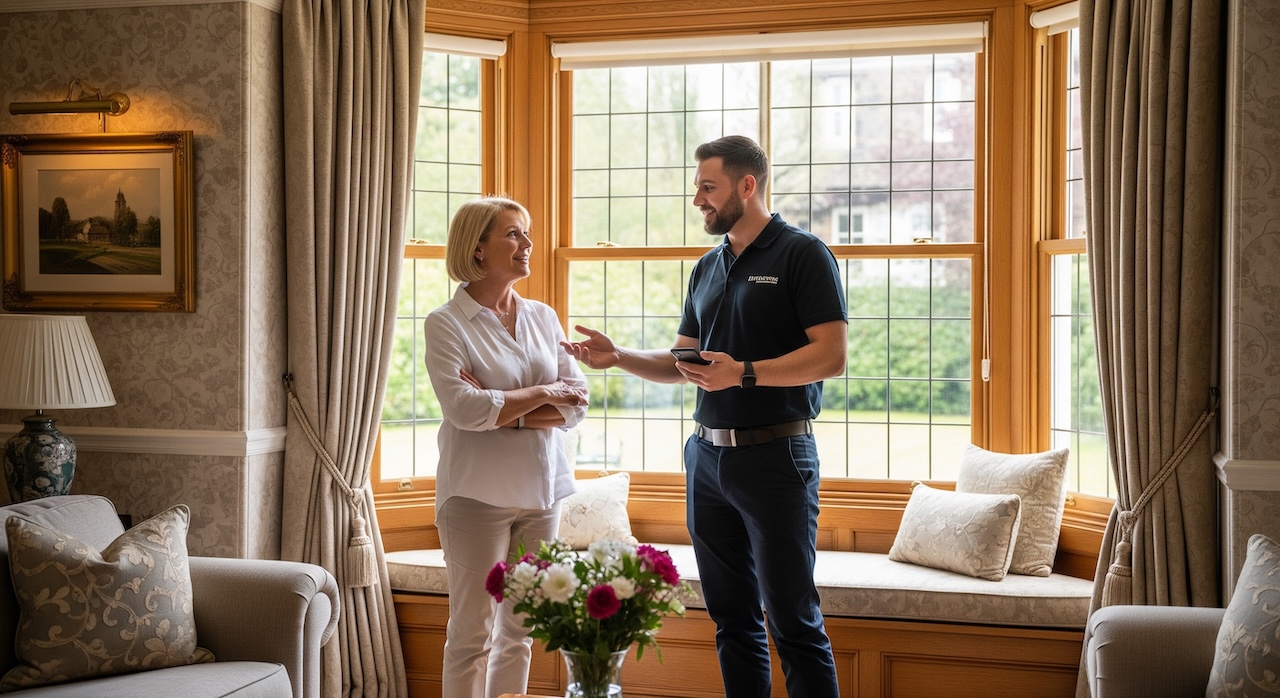 Quoting and Estimating Software: Boosting Accuracy for Window InstallersRe-keying sizes across Word, accounts and supplier portals is where margins die, and quoting software that captures once and generates quote, order and invoice from the same record fixes that. once and the record holds the spec, photos and customer details in one place. Outstanding quotes surface by age so you open the app and see what needs a call today, not what you half remember from Tuesday.
Over time you see patterns: which quotes convert after one touch, which go cold despite chasing, which sources produce tyre-kickers. That beats guessing your win rate from gut feel. For the wider picture on winning the enquiry before the quote, see how to get more customers How to get more customers for a window fitting businessMost window jobs are decided before anyone calls you, so winning customers means showing up in local search, earning reviews, and responding faster than the other two firms on the shortlist.. For quote quality on the first send, see winning sales proposals
 Strategies For Winning Sales ProposalsVague quotes that look like everyone else's cost you site visits, back-and-forth and margin, and clear itemised proposals with proof and guarantees win better-fit jobs..
The maths on quotes you already paid for
Say you send 20 quotes a month at £3,000 average. At a 30% win rate that's six jobs and £18,000 in revenue from surveys you've already driven to.
Lift conversion to 40% with consistent follow-up and you win eight jobs: £24,000. Same petrol, same measuring time, same marketing spend. An extra £6,000 a month from work already in the pipeline.
Those two jobs aren't phantom leads. They're homeowners who needed a nudge, had a question they didn't ask, or assumed you'd gone quiet. They're the ones who signed with the fitter who followed up first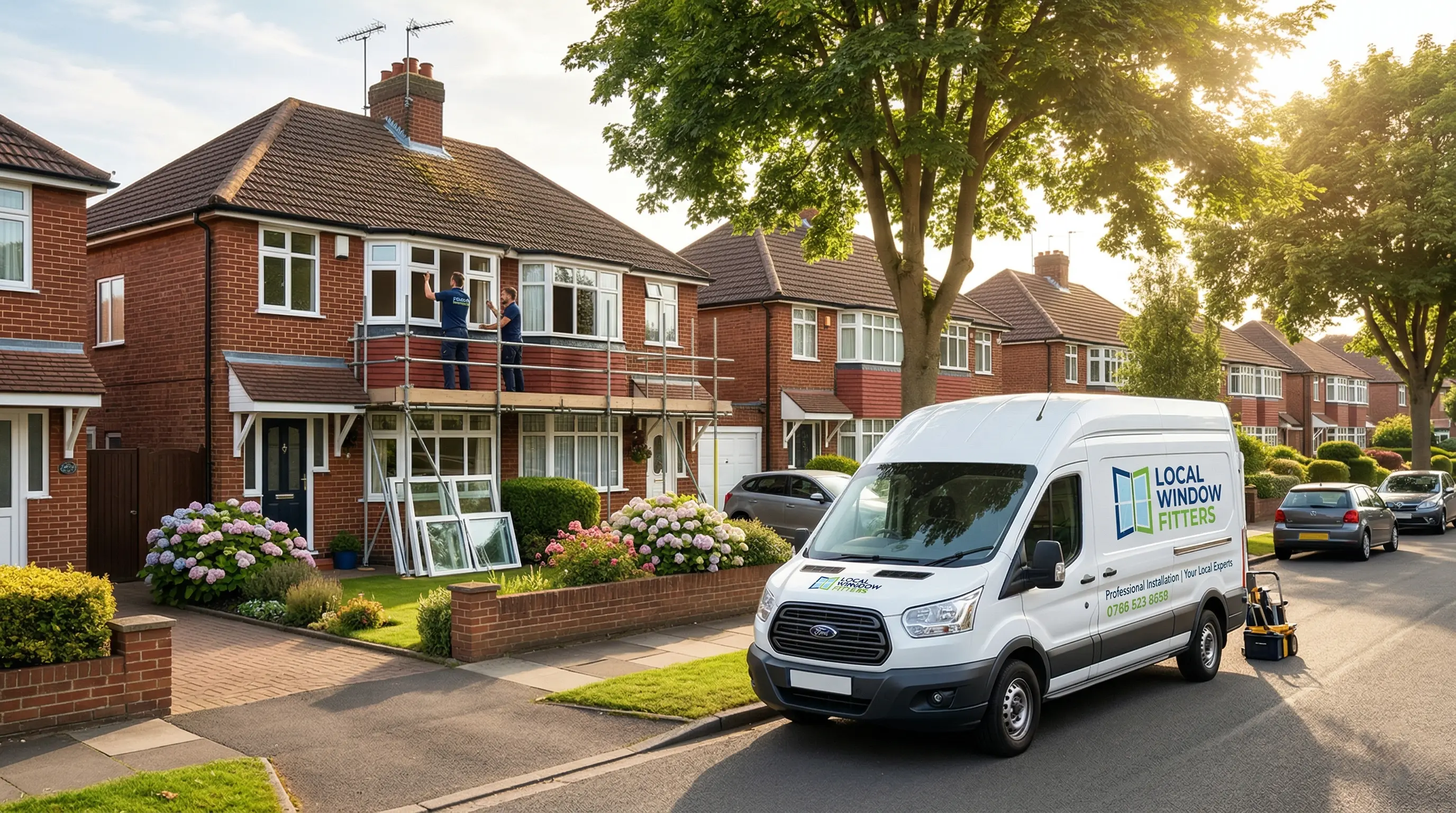 Dominating your local areaLocal dominance comes from being findable, referable and memorable in your patch, not from outspending bigger firms on marketing..
Start with one habit
Pull last month's sent quotes. Count how many got more than one follow-up. If the average is below one, you already know where the leak is.
Pick one rule for this week: every quote sent gets a same-day confirmation and a day-3 call, logged on the job. Do that for a month before you optimise scripts or add touches. Persistence is a system, not a personality trait. Build the system and the quotes you've already earned stop dying in silence.
Book a demo if you want to see how FitterPal tracks quote status and surfaces what needs chasing.