Your reputation isn't a soft, fuzzy thing. It's a hard filter that decides whether a homeowner ever rings you in the first place. Before they hear your voice, read your quote or see your work, they've checked your stars and skimmed your reviews, and most have already made a call.
The numbers are blunt. Around 96% of consumers read reviews for local businesses, 40% won't consider a firm with less than four stars, and just 3% would use one rated two stars or below (BrightLocal). You're not competing on reputation after the enquiry. You're competing for the enquiry itself. The good news for an established fitter is that reputation is mostly within your control, if you treat it as something you manage rather than something that happens to you.
Treat reviews as the filter you pass before the call
Most fitters think of reviews as a nice-to-have. Homeowners use them as a sieve. Around 70% of people filter local searches by rating, most commonly to show only four-star-and-above firms, which means a weak rating quietly removes you from the shortlist before anyone reads a word (ReviewTrackers).
The leverage here is bigger than it looks. Analysis of 64,000 business listings found that a 0.1 increase in average star rating lifted conversions by 25% (Uberall). Nudging from 4.3 to 4.5 isn't vanity. It's measurably more booked work from the same number of people seeing you.
Reputation is a flow, not a trophy
This is the bit most fitters get wrong. A wall of five-star reviews from two years ago does less than you'd think, because homeowners weight recent ones heavily. Around a quarter of consumers only pay attention to reviews written in the past month.
That changes the job. Reputation isn't a stock you build once; it's a flow you have to keep topped up. A handful of fresh reviews every month signals an active, trusted business. The same total going stale signals a firm that might have slipped. The practical implication is simple: you need a review coming in regularly, which only happens if you ask regularly.
Reliability is the reputation, charm is not
Here's the uncomfortable truth for the trade: most bad reviews aren't about poor fitting. They're about being let down. A missed callback, a date that slipped with no warning, a customer left wondering what's happening. The work was fine; the experience wasn't.
So the thing that actually protects your reputation is doing what you said you'd do. If you promise an update by Thursday, send it Thursday, even if the update is "still waiting on glass." Set expectations on price, timing and disruption at the survey, not on fitting day. Reliability is unglamorous, but it's what turns a customer into someone who recommends you, and a personal recommendation still carries more weight than any advert you could run. The two reinforce each other.
Make asking for reviews a system, not a mood
If you only ask for a review when you happen to remember, you'll get a trickle, and an irregular one. Given that recency and volume both matter, the fitters with the strongest profiles ask every single time, the same way, at the same moment.
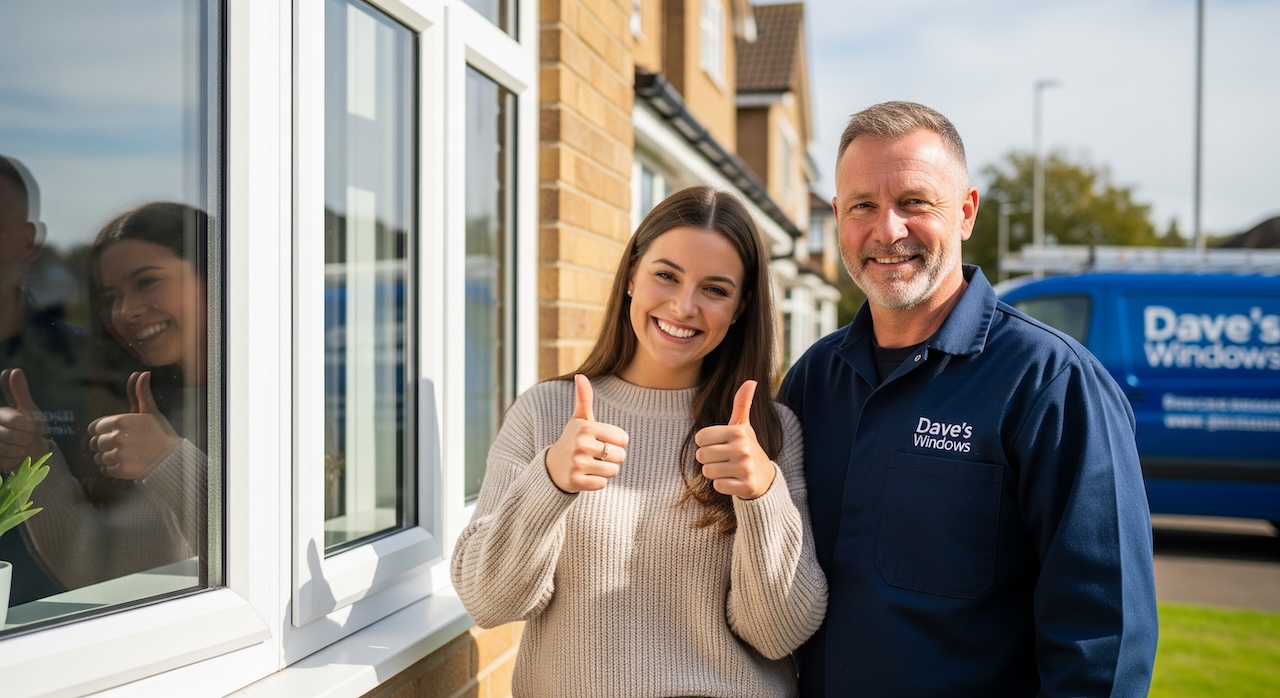
Ask while the customer is happiest, ideally the day you finish, when the new windows are in and they're pleased. Make it one tap: send a direct link to your Google or Trustpilot page rather than expecting them to search. Build it into your close-out routine so it happens whether or not you're flat out.
The smartest setup takes feedback in two stages so it's both consistent and controlled. Capture a quick private rating from every customer at job completion first, then point only the genuinely happy ones to a public review, while flagging the lukewarm ones for a quiet follow-up before they ever post. FitterPal's customer feedback feature does exactly this from the job record: a branded request goes out at sign-off, ratings land back on the same job, and low scores get flagged so you can put things right in private. That's the engine behind standing out locally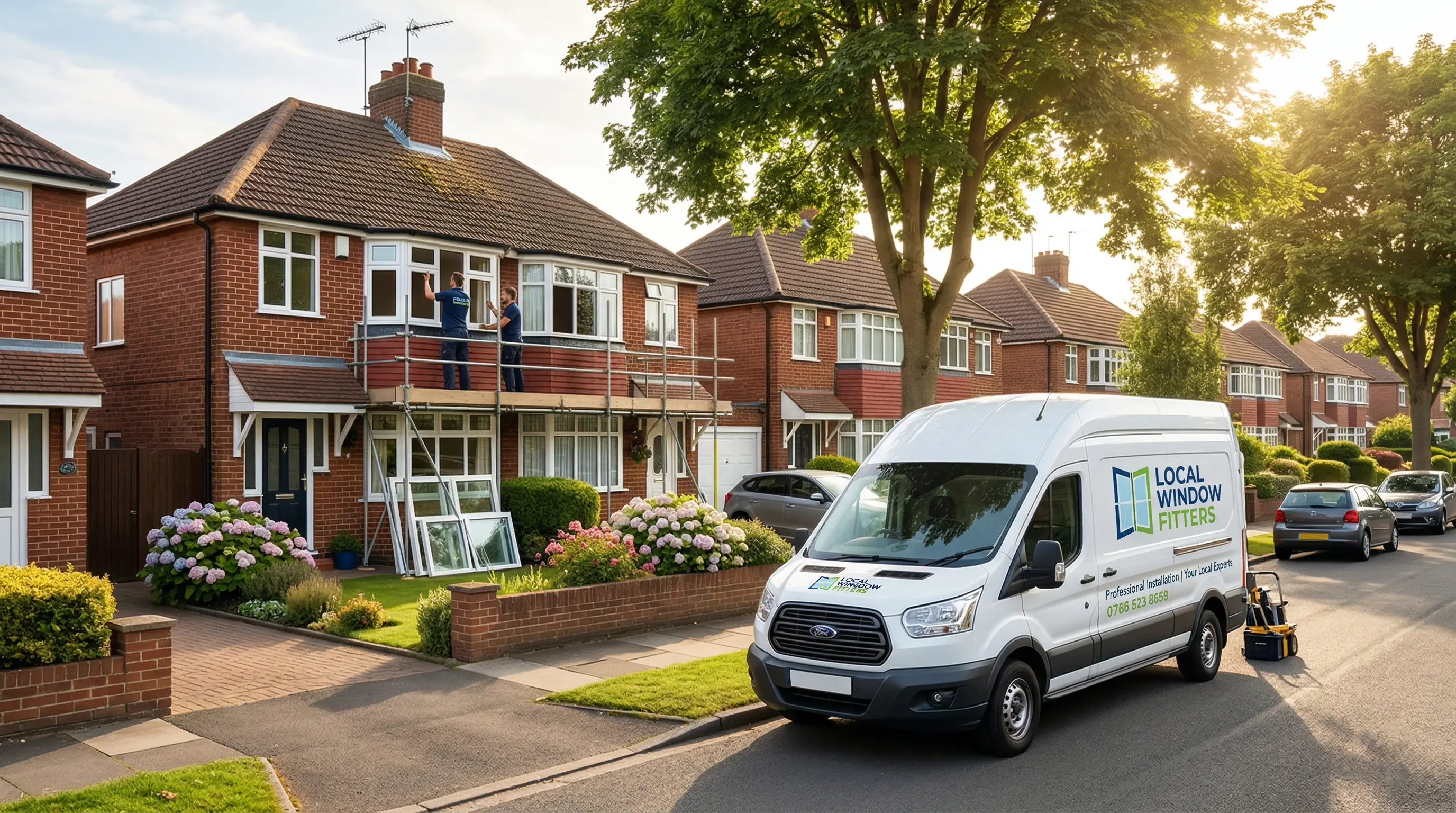 Dominating your local areaLocal dominance comes from being findable, referable and memorable in your patch, not from outspending bigger firms on marketing. and getting more customers
 How to get more customers for a window fitting businessMost window jobs are decided before anyone calls you, so winning customers means showing up in local search, earning reviews, and responding faster than the other two firms on the shortlist. without spending on ads.
Handle the unhappy ones quickly and in public
A negative review isn't the disaster it feels like, but ignoring it is. Most consumers read the detail of both good and bad reviews to form their own view, and a mostly-negative or unanswered profile is what does real damage. A calm, professional reply that takes ownership and offers to put it right often reassures the next reader more than the complaint worries them.
Respond fast, move the heat off the public thread by getting in touch directly, and fix the actual problem. Handled well, a recovered complaint shows prospects how you behave when something goes wrong, which is exactly what they're worried about when they hire a stranger to work on their home.
How staying organised keeps your promises
Almost every reputation hit traces back to something slipping: a callback that didn't happen, a date nobody confirmed, a detail lost between the survey and the fitter. When jobs, customer details, dates and invoices are scattered across phones and notebooks, those drops are inevitable when you're busy.
Keeping it all on one job record is what lets you reliably do what you said. FitterPal keeps every job's details, schedule and customer history in one place, so updates get sent, appointments get confirmed, and nothing falls through the cracks on a busy week. The reputation looks after itself when the promises do.
Where to start
Check your current position honestly: your average rating, and the date of your most recent review. If the rating is under 4.0, that's costing you enquiries right now and is the priority. If your reviews dried up months ago, your problem isn't quality, it's that you stopped asking.
Then make review requests automatic after every completed job, and tighten the operational basics so you stop letting people down by accident. Reputation isn't built in a campaign. It's the steady output of a business that does what it says, made visible to the next customer deciding whether to call.